QR code basics, safety, and best practices
These are long-form guides written for people who need QR codes to work in the real world: print, packaging, events, signage, and in-product experiences.

Are QR Codes Safe? Risks, Scam Patterns, and Best Practices
QR codes can be safe, but scams exist. Learn common QR fraud patterns (quishing), how to scan safely, and how businesses can publish trustworthy QR codes.
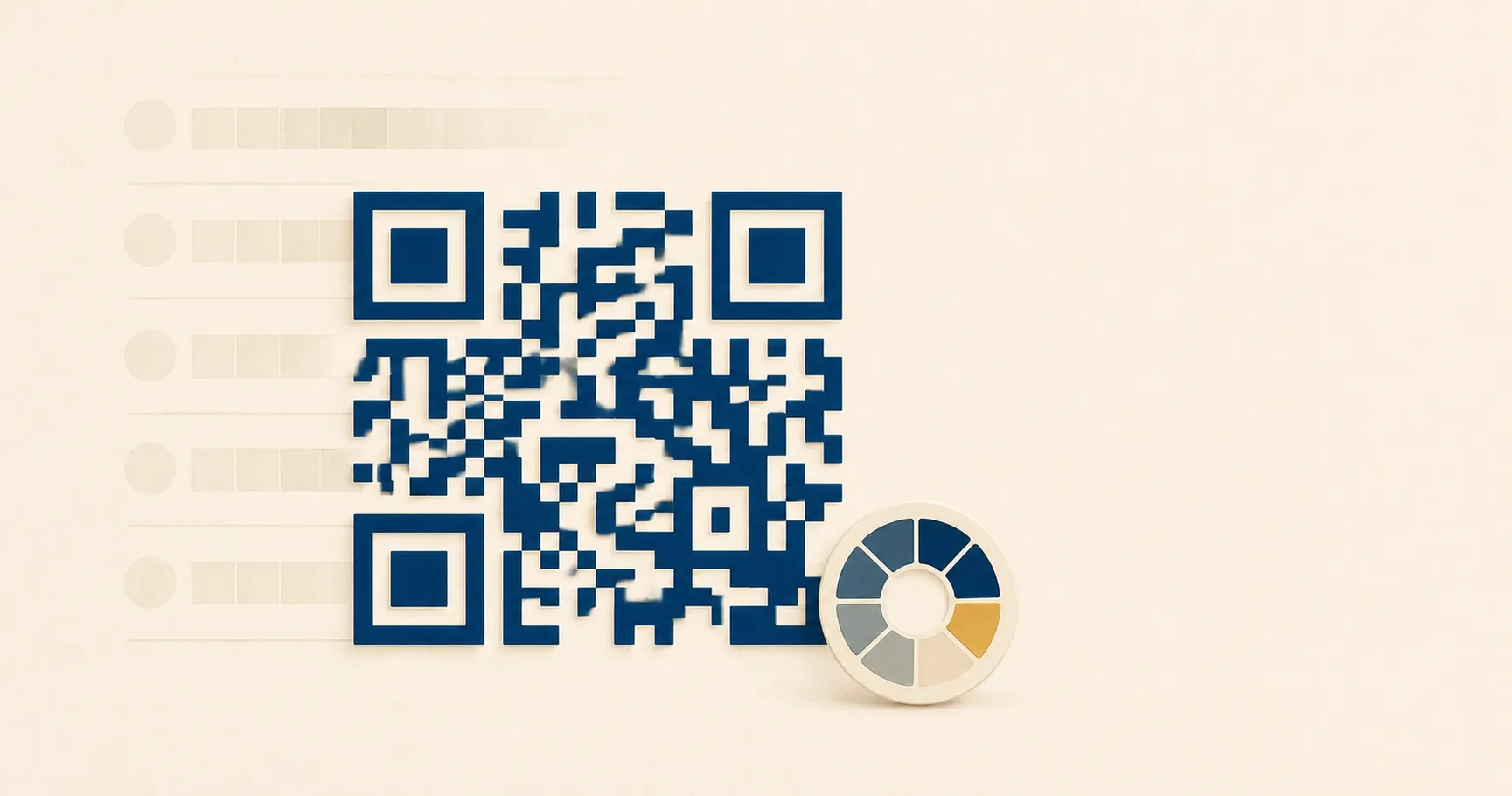
Colored QR Codes: How to Use Brand Colors Without Breaking Scans
Use brand colors in QR codes without breaking scans. Practical contrast rules, inversion limits, print substrate effects, and a multi-device test protocol.
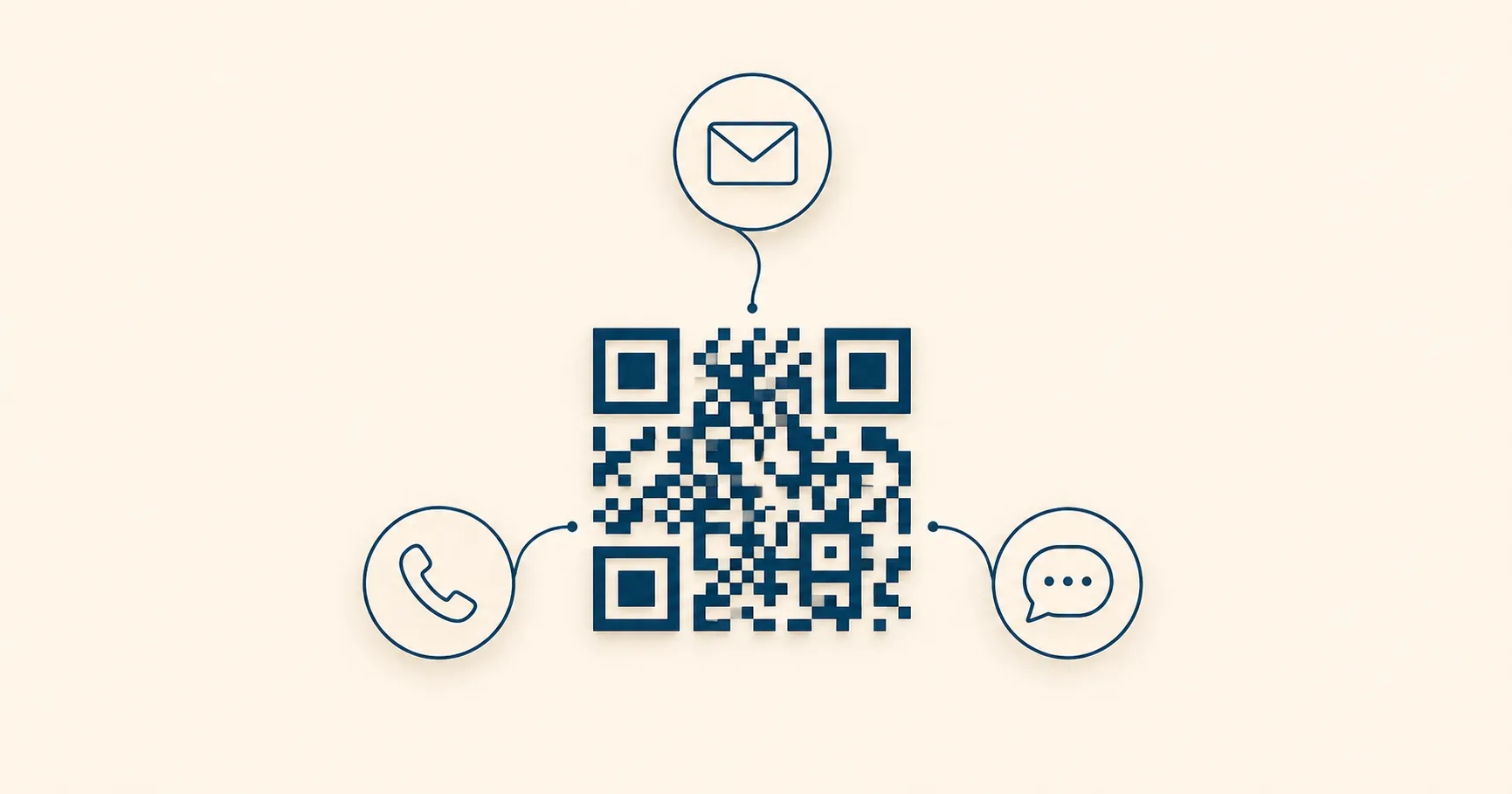
Email, Phone, and SMS QR Codes: Best Use Cases and Copy Patterns
Learn when to use email, phone, and SMS QR codes, how to structure payloads, and what on-page copy improves conversion from scan to contact.
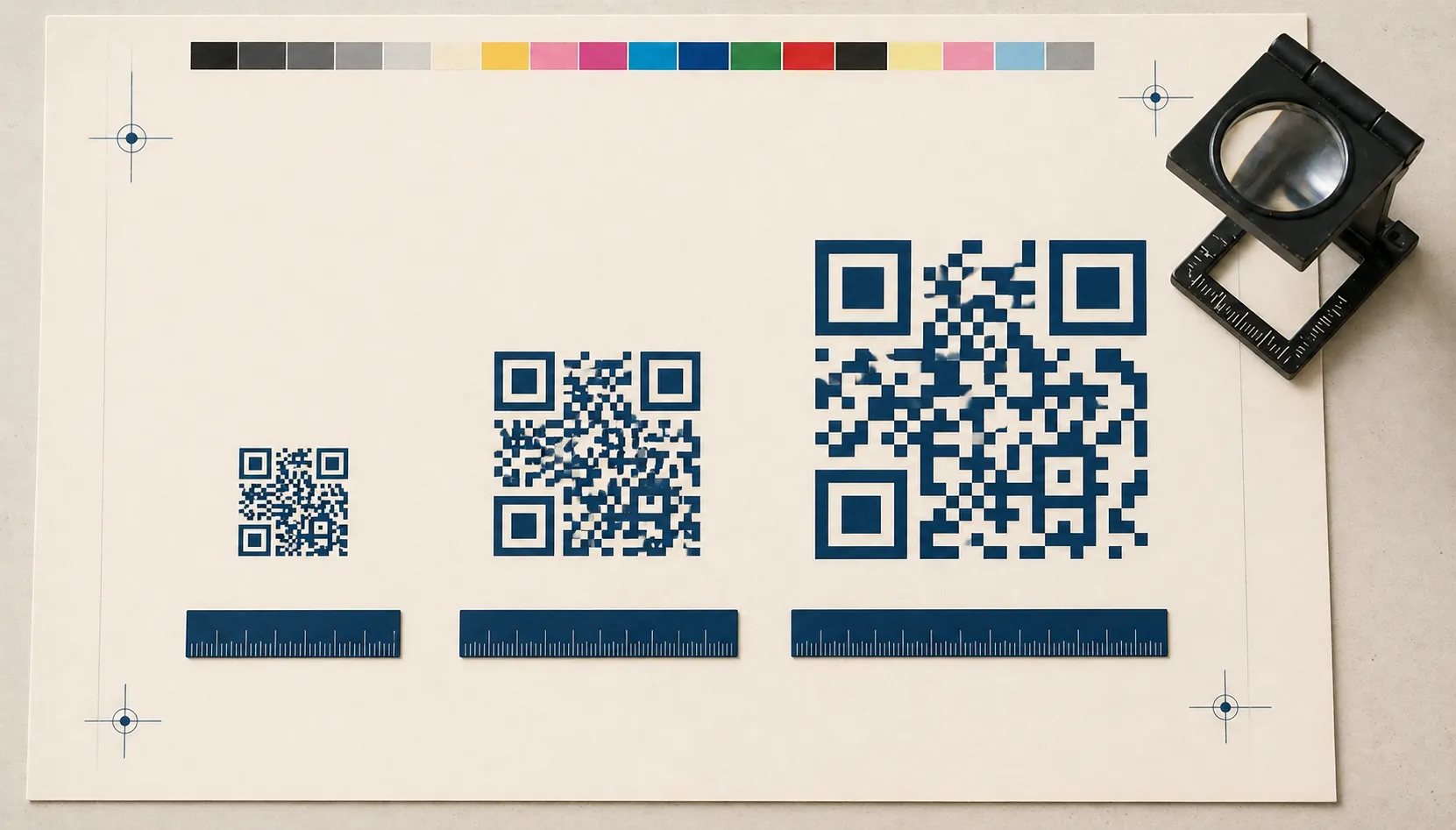
How Big Should a QR Code Be? Print Size, Margins, and Resolution
Choose a QR code print size using scan distance and code density. Calculate PNG resolution, allow the right margin, and download an actual-size test sheet.
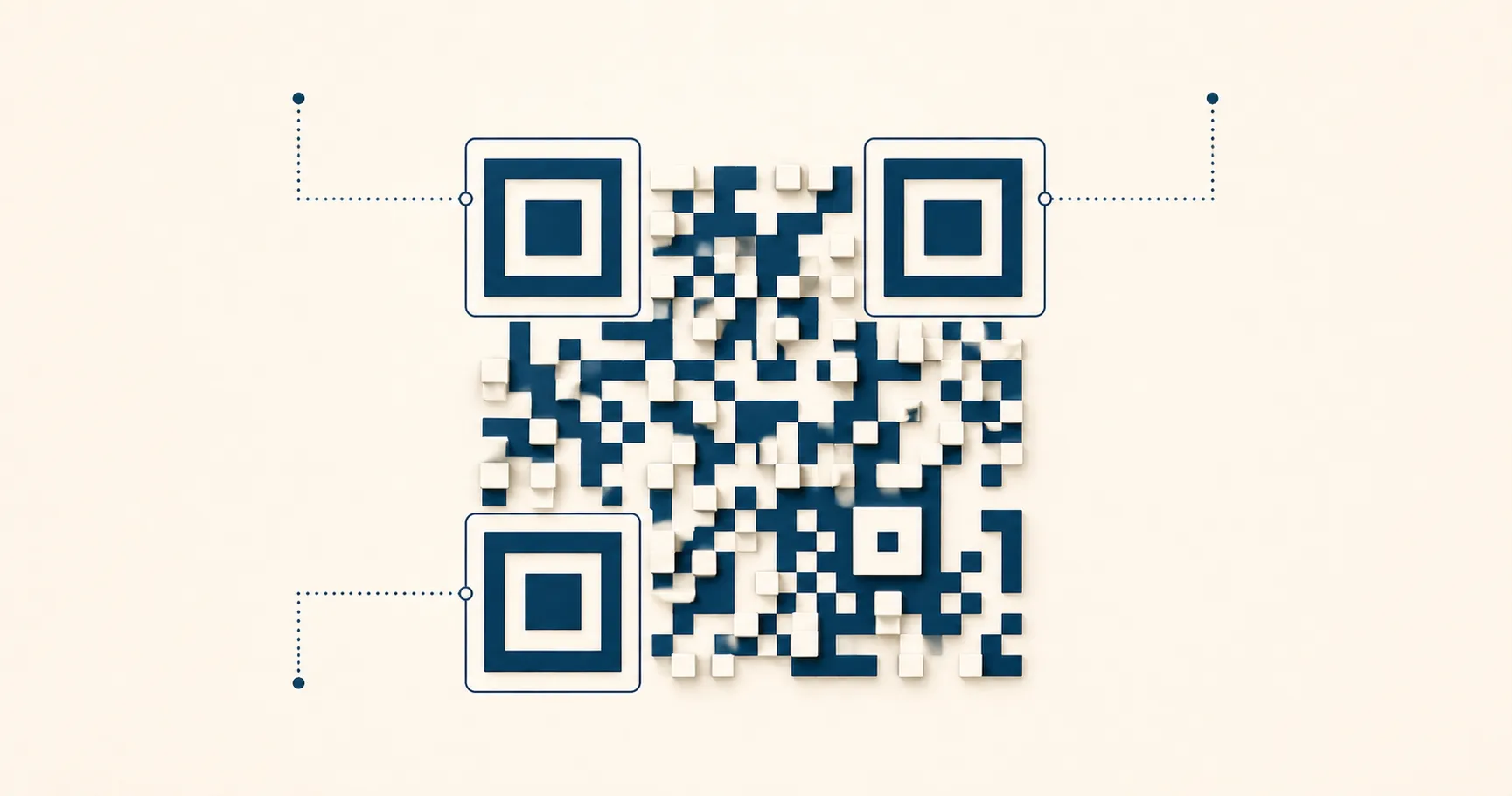
How QR Codes Work: Scanning, Decoding, and Examples
A practical explanation of how QR codes are detected and decoded, plus real examples of URL, Wi-Fi, email, phone, and SMS QR payloads.

How to Track QR Code Scans (Without Guesswork)
Learn practical ways to track QR code scans by placement using unique URLs, UTM tags, redirects, and analytics—plus what to measure beyond raw scan counts.
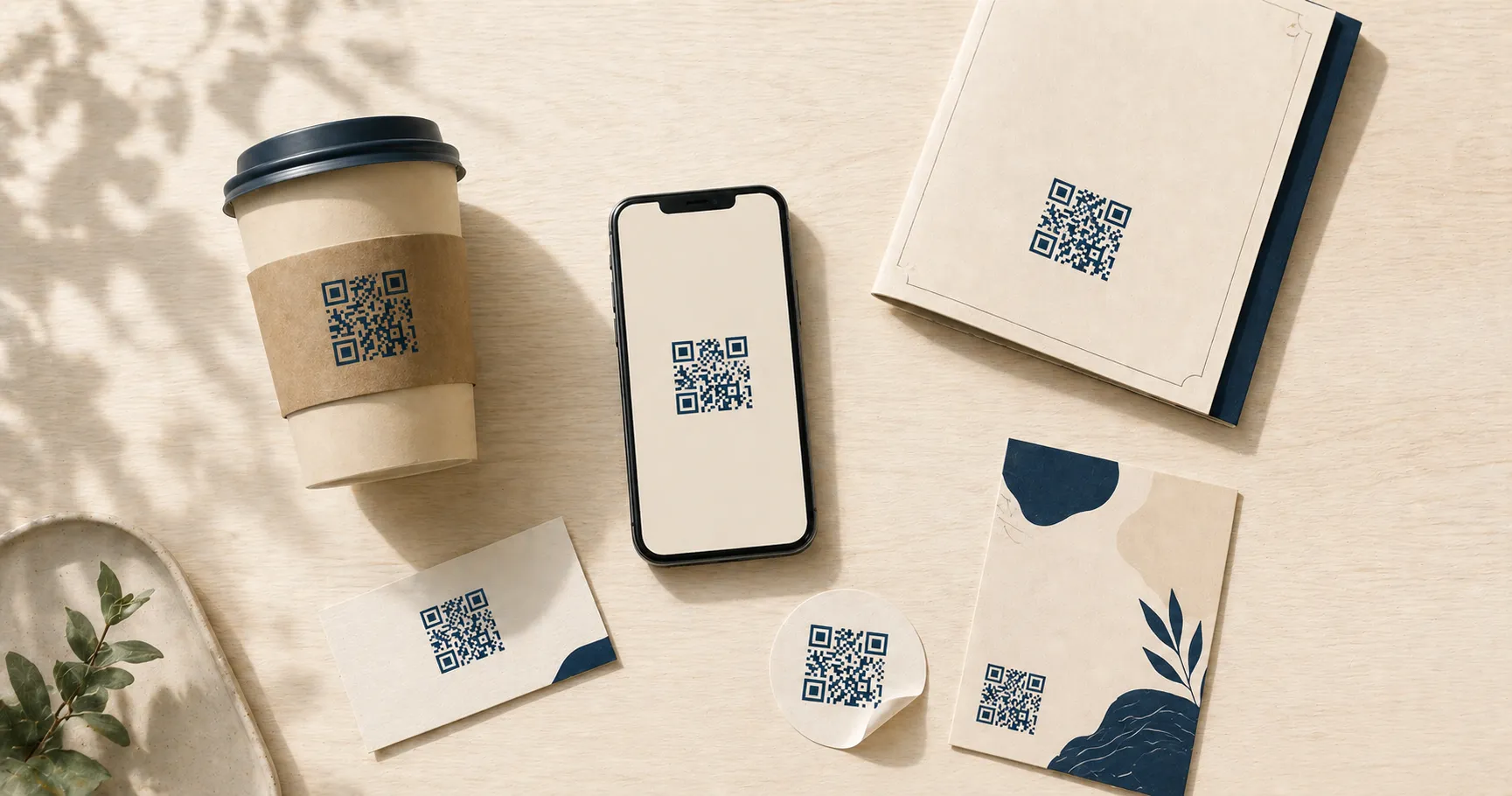
QR Code Benefits for Business and Personal Use
Understand the practical benefits of QR codes for businesses and individuals, from reducing friction in customer journeys to sharing Wi-Fi securely.
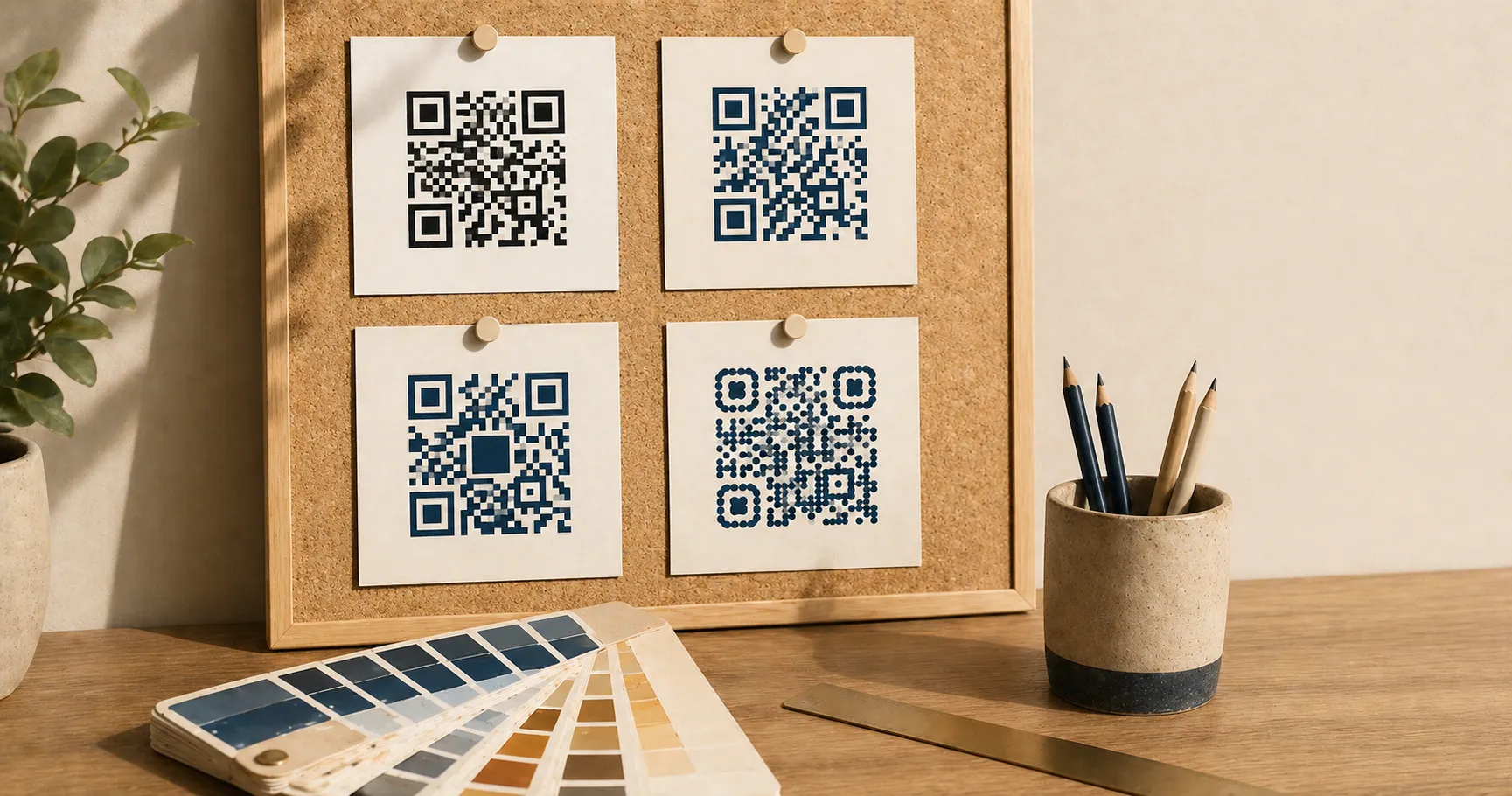
QR Code Design Best Practices (Colors, Logos, and Reliability)
Make QR codes look on-brand without breaking scans. Learn safe design rules for colors, logos, shapes, frames, quiet zones, and how to test for reliability before publishing.
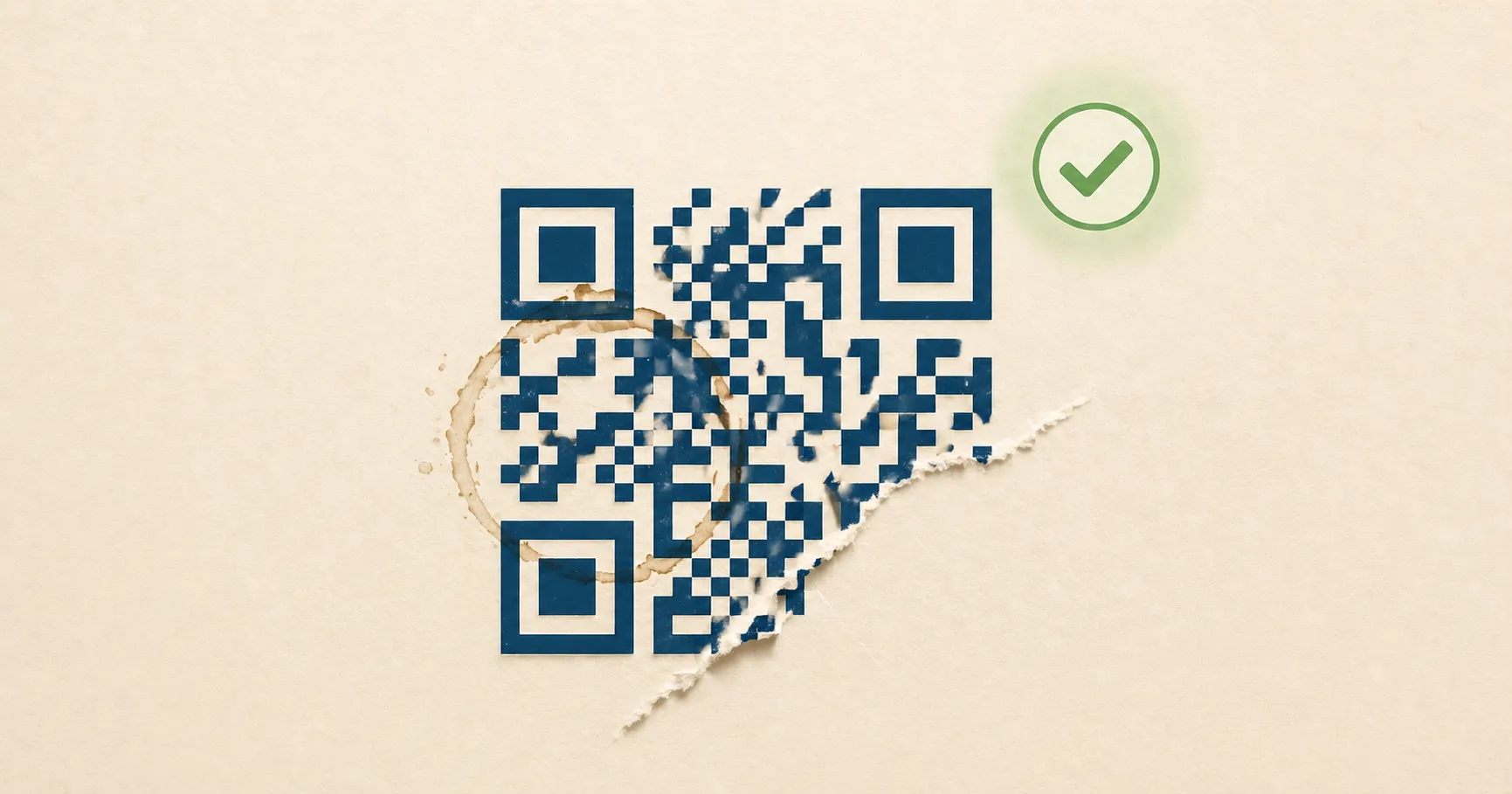
QR Code Error Correction Levels: Types, Meaning, and Safe Defaults
QR code error correction explained: the error types it handles (scratches, smudges, logos), what each level (L/M/Q/H) means, and the safe default for most printed codes.
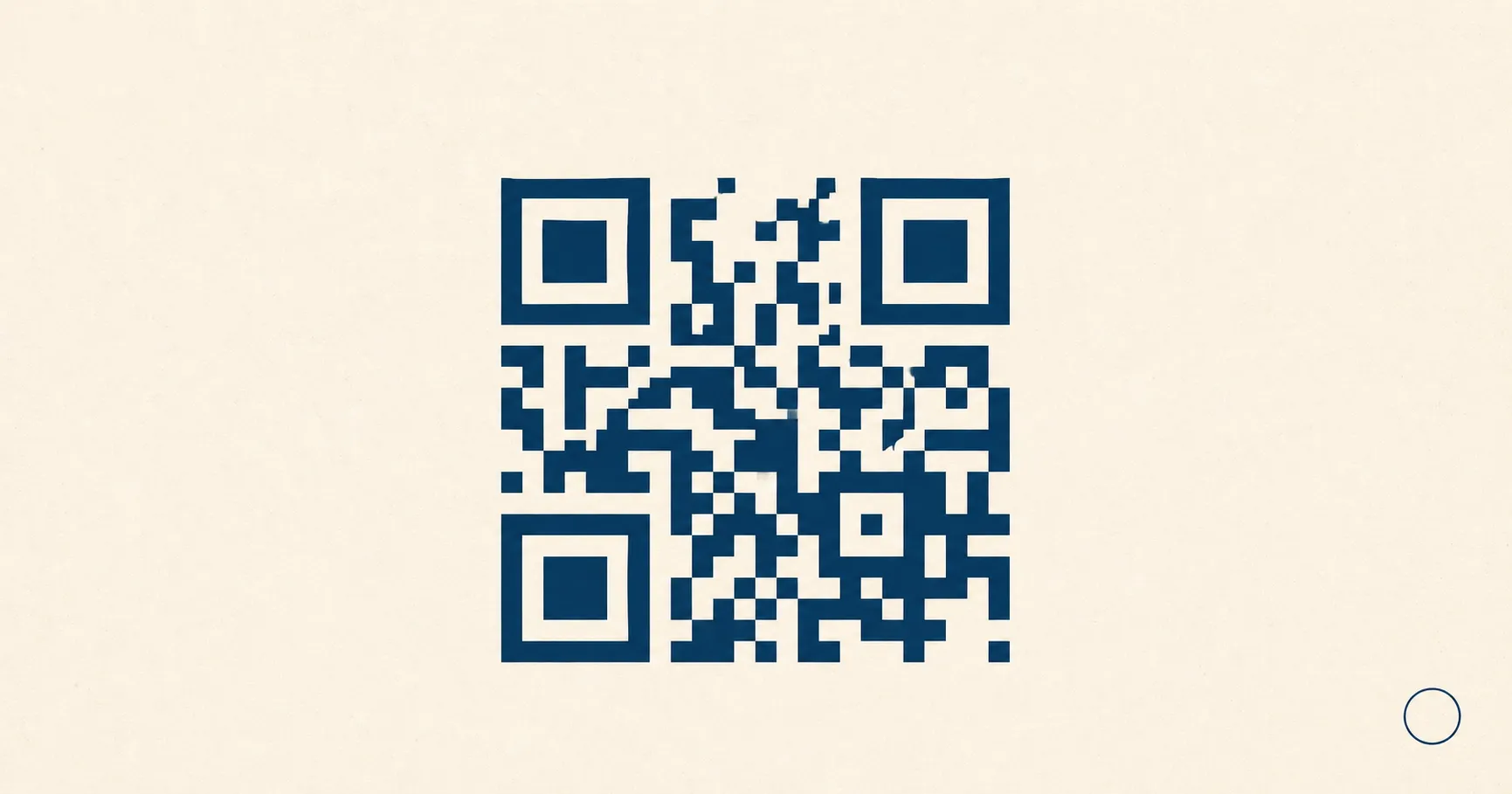
QR Code Examples: What They Look Like and What Data They Hold
Real QR code examples with raw payloads for URL, Wi-Fi, email, phone, SMS, WhatsApp, payment, business card, menu, and event check-in use cases.
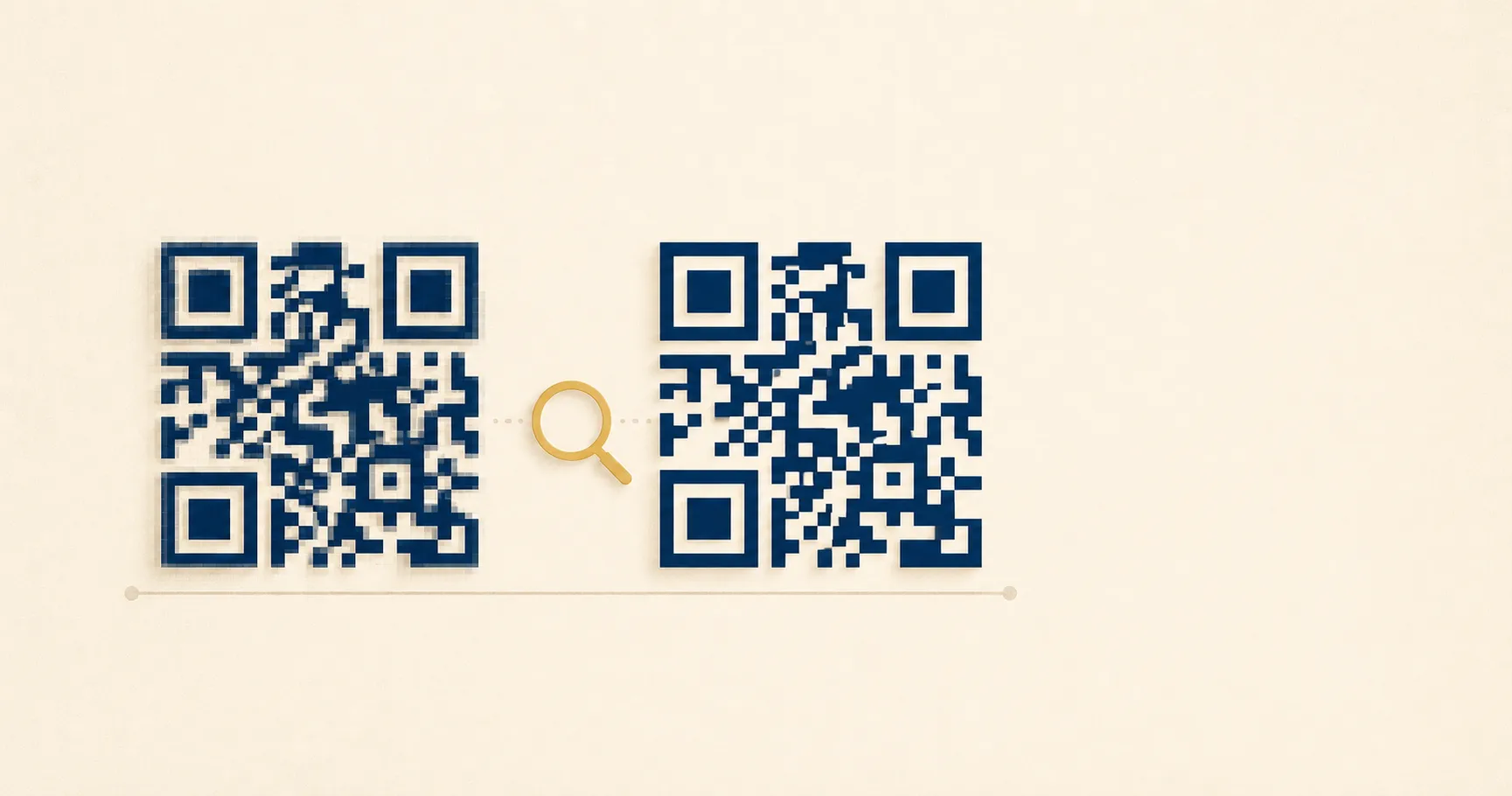
QR Code Format: PNG vs SVG and When to Use Each
PNG vs SVG for QR codes: scaling, file size, print compatibility, web embedding, design tools, and email. Plus why JPG is almost never the right choice.
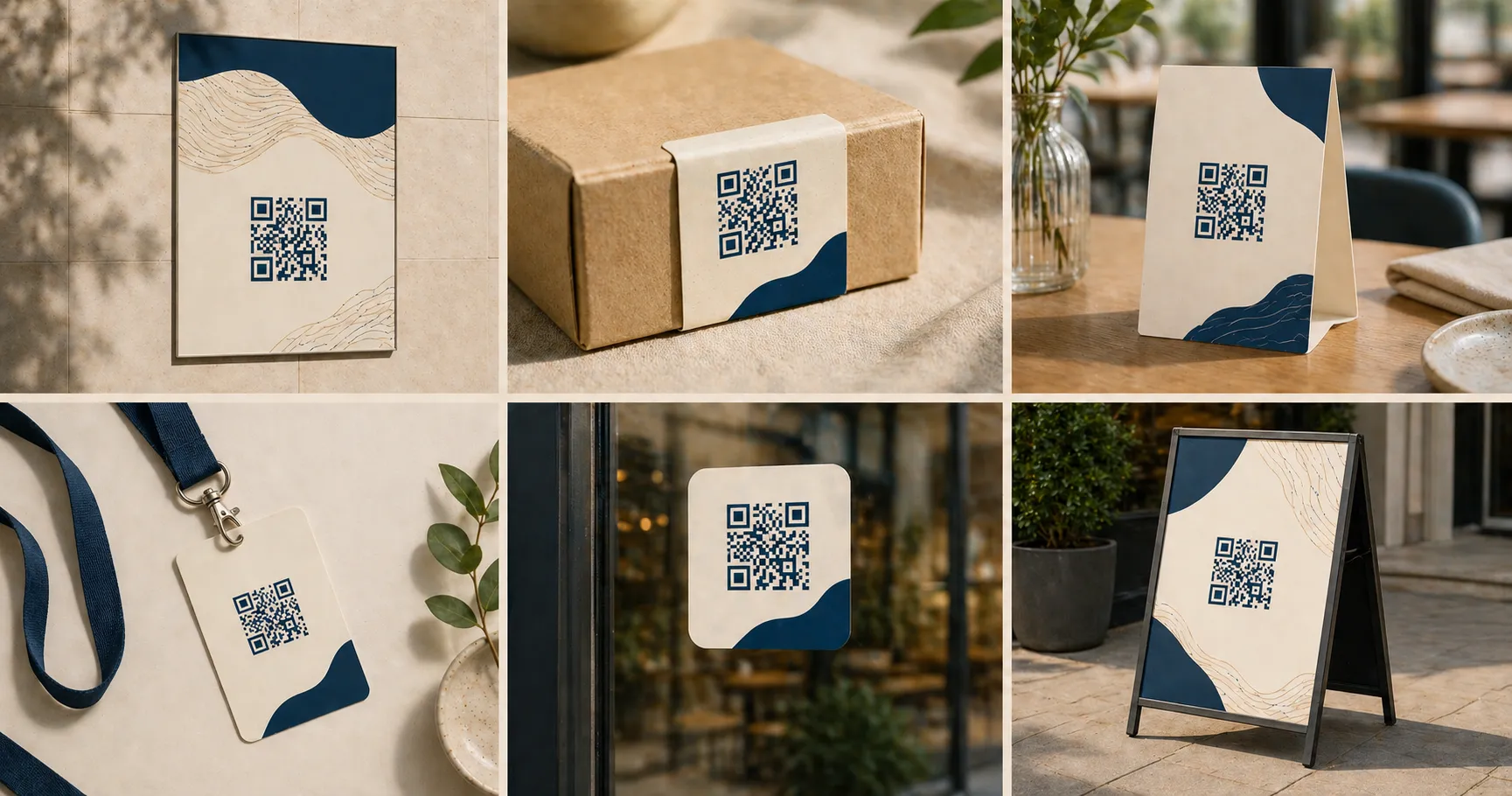
QR Code Use Cases: Six Practical Ways to Connect Print to Action
Explore the most common QR code use cases across marketing, hospitality, events, packaging, Wi-Fi sharing, and customer support with real-world examples.
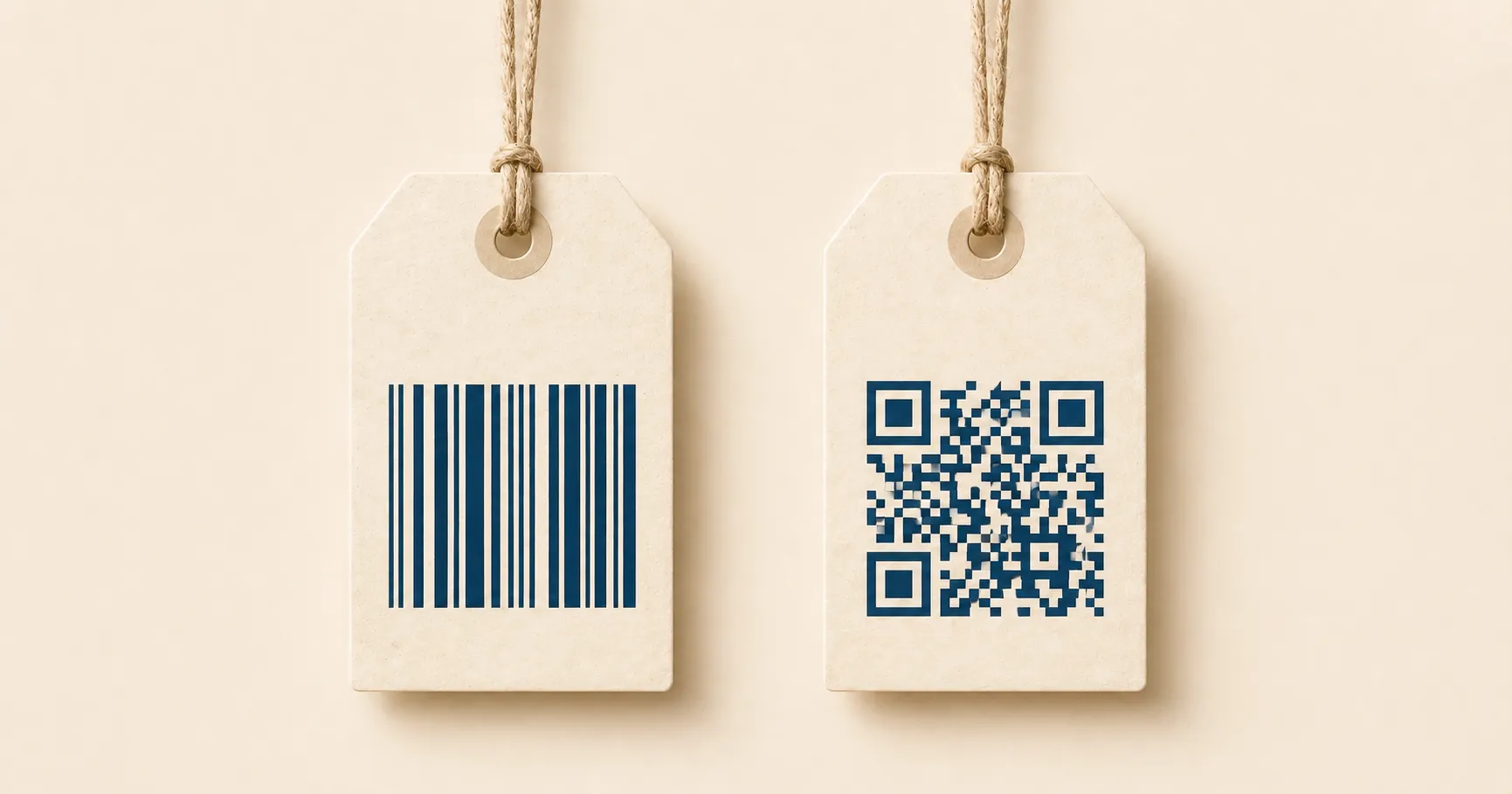
QR Code vs Barcode: Differences, Capacity, and Use Cases
Compare QR codes and traditional barcodes: how they store data, scan behavior, error tolerance, and which format fits retail, operations, and marketing.
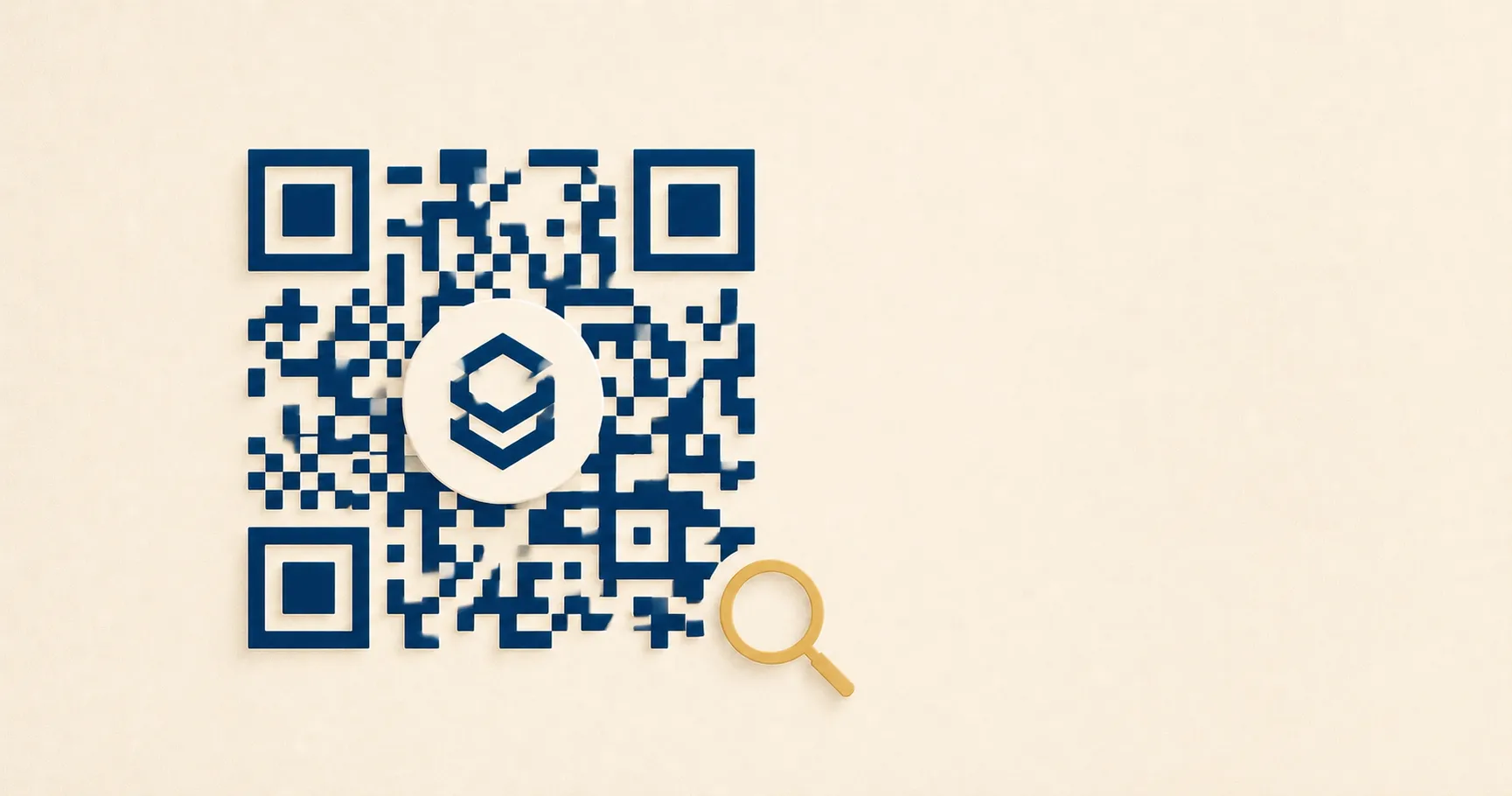
QR Code with Logo: How to Add Branding Without Breaking Scans
How to add a logo to a QR code without breaking scans. Covers error correction, sizing, placement, common failure modes, and a multi-device test plan.
What Is a QR Code? Definition, Anatomy, and Real Examples
QR code anatomy and definition: what a QR code is, what each labelled part does (finder, alignment, timing, quiet zone, data), and how to publish one that scans reliably.

Wi-Fi QR Code Best Practices and Security Tips for Guest Networks
Wi-Fi QR code security tips, setup patterns, and placement strategy for offices, cafes, hotels, and homes — plus a troubleshooting checklist for guest-network onboarding.